Your wedding dress came back from the cleaner spotless. The champagne stain is gone, the hem looks fresh, and you hung it up feeling like the job was complete. What nobody tells you at the counter is that cleaning and preservation are not the same service.
Cleaning removes what's on the dress today. Preservation controls what happens to it over the next thirty years. Doing the first doesn't do the second, and that gap is why dresses that were cleaned perfectly still end up yellowed, stretched, or damaged years later.
Cleaning handles what's on the dress right now: the champagne, the makeup, the grass stains on the hem. It's a one-time job that ends when you pick up the dress. Preservation is different. It protects the fabric from air, light, humidity, and whatever it's stored against for years to come. A dress can be perfectly clean and still yellow within five years if the storage conditions are wrong.
Most brides never hear this distinction, because the cleaning transaction ends at pickup. Nobody brings up year three unless you ask.
The word preservation gets used loosely. Some cleaners mean a nicer garment bag. Others mean a full archival process with acid-free materials and a sealed or unsealed box. If your dress was preserved as part of a standard cleaning package, ask exactly what that included. The terms blur often enough that plenty of brides assume they've already covered this step when they haven't.
This is the part you can act on today. The plastic bag your dress came home in is transport packaging. It was designed to get the garment from the shop to your car, not to store it for the next decade. Sealed plastic traps residual moisture against the fabric, and some plastic films off-gas compounds over time that actively contribute to yellowing.
Here's the practical consequence: a cleaned dress left sealed in a bag for two years can end up in worse condition than an uncleaned dress stored loosely in cotton. The cleaning didn't cause the problem. The storage did.
You don't need a full preservation service to make this better right now.
A few immediate steps:
None of this costs money, and none of it requires a decision about full preservation. It just stops active damage while you figure out your next step.
Why does your wedding dress look yellow if it was cleaned? If your dress was cleaned and is turning yellow months or years later, it's usually one of three things, and it's rarely a sign the cleaning was done poorly.
None of these is a cleaning failure. They're the reason cleaning alone doesn't stop the clock.
This explains why yellowing often shows up in patches instead of evenly. Clear liquids, such as champagne, prosecco, white wine, and tonic water, leave no visible mark when they dry, so they're rarely pointed out or spot-treated. The sugar stays in the fibers and slowly oxidizes into a brown patch months or years later, on a dress that looked flawless the day it came home.
If you remember something clearly spilling during the wedding, even without a visible mark now, mention it to whoever handles your dress next.
This is a different kind of damage entirely, and it's mechanical rather than chemical. A wedding dress is heavy, especially with beading, a structured bodice, or a long train, and all of that weight pulls on whatever holds it up. Over years on a hanger, that constant load stretches shoulder seams, elongates straps, and permanently distorts the shape of the bodice.
Thin wire or plastic hangers make this worse because they concentrate the entire weight of the dress into two narrow points instead of distributing it.
This is different from yellowing, and so is the fix. Yellowing is chemical and can sometimes be treated or lightened. Stretching from years of hanging weight is structural. Cleaning and pressing address surface appearance, but neither reshapes fabric that's been permanently stretched out of position. Once a seam or strap stretches under sustained weight, that change tends to stay part of the garment.
This is what you actually pay for when a preservation process is done properly, and it's worth knowing the components so you can tell a real process from a vague promise.
Preservation is environmental control and structural support. Cleaning was never designed to do either of those things, which is exactly why the two need to be treated as separate decisions.
Ask what materials are used and how the dress is stored long-term. A real process uses acid-free tissue throughout and seals the dress in a proper preservation chest, protecting it from light, humidity, and yellowing for the long haul. If a shop can't describe that level of detail, or if preservation turns out to mean a nicer garment bag, it's not the same service.
Usually, no. Early oxidation and general yellowing across the fabric frequently respond well to professional treatment, and some structural distortion can be improved with the right support and time. But the odds decline the longer a dress sits in poor conditions, and certain kinds of damage, such as mildew staining or fiber breakdown from prolonged humidity exposure, can be permanent.
More than anything else, the outcome comes down to two variables: how long the dress has been stored, and the conditions in which it was stored. A dress that spent three years in a climate-controlled closet in a breathable cover is in a very different position than one that spent three years in a garage or attic sealed in plastic. If you're unsure which category your dress falls into, that's the exact purpose of a condition assessment, and it costs you nothing to find out.
If your dress has been cleaned but never preserved, here's the order of operations:
If your dress has been cleaned but never preserved, you're not behind; you just haven't had the full picture until now. That's exactly why we treat dress preservation as its own service, not an add-on.
At Blue Ribbon Cleaners, wedding dress preservation is something we handle ourselves, not something we outsource or rush. Every dress that comes through our doors goes through a detailed inspection first, then hand cleaning, expert finishing, and long-term sealing in a museum-quality preservation chest with acid-free tissue throughout. That's how we make sure nothing gets missed between drop-off and dress preservation.
Interested in preserving a wedding dress? Stop by or give us a call. We'll walk you through the process and what it involves for your specific dress.
Locations:
4431 Logan Way, Youngstown, OH
8063 E. Market St., Warren, OH
3433 Belmont Ave., Youngstown, OH
Phone: +1 330 632 1873
Every old stain gets a verdict eventually – workable, partially workable, or genuinely stuck – and that verdict has almost nothing to do with how long it's been sitting there and everything to do with the actual kind of stain. An old oil stain and an old protein stain age in completely different ways, which means the six months that ruined one might have barely touched the other.
Here's how to tell which verdict your specific stain is actually heading toward.
Professional dry cleaning offers two things a home wash can't: identification and precision. A trained cleaner examines the stain, asks how it happened, and matches the treatment to both the stain and the fabric.
Solvent-based cleaning dissolves oil and grease without water. Wet cleaning, a controlled, water-based process with specialized detergents, works better on protein and tannin stains such as food, sweat, or wine. Cleaners often combine both, along with targeted pretreatment.
Home washing machines run one cycle for the whole garment. Professional equipment allows spot-treatment before the full cleaning cycle even begins, which matters enormously for a stain that's had time to bond with the fibers.
A fresh stain sits mostly on top of the fabric. An old stain has moved in. Here's what actually happens over time, without the lab jargon:
Oxidation. Wine, fruit juice, and some food residues react with oxygen over time, turning a pale stain brown or yellow. The color you see today may not be the original color of the spill.
Protein bonding. Blood, dairy, egg, and sweat contain proteins that sit loosely on fresh fabric but cross-link with the fibers as they dry and age. That's why old protein stains resist simple washing.
Dye migration. On natural fibers such as silk, wool, and some cottons, a stain's pigment works its way deeper into the fiber over time instead of staying on the surface. This is why older stains often look larger or darker than the original spill.
This aging process doesn't move at the same speed on every fabric. Tightly woven synthetics resist penetration, buying more time. Porous natural fibers such as silk and wool absorb faster, so the same stain can bond sooner on silk than on polyester, even after the same six months.
Not all stains age the same way, and that difference shapes what can be done about them.
Oil-based stains (cooking oil, butter, salad dressing, makeup, lotions) hold up better than people assume. Oil doesn't oxidize or bond to fibers; it just spreads deeper into the weave. Good news: solvent-based cleaning is built to dissolve oil, so even a month-old stain often responds well.
Protein-based stains (blood, dairy, sweat, egg) get harder to remove over time, since the proteins physically bond with the fabric instead of resting on the surface. Heat is the enemy: a hot dryer or iron can cook the protein into the fibers before it's ever professionally treated.
Tannin-based stains (coffee, tea, wine, fruit juice) sit in between. They don't bond as aggressively as proteins, but they oxidize, which is why they darken and appear to spread over time.
Correctly identifying a stain as oil-based versus protein-based isn't just thoroughness; it changes the entire treatment plan.
An honest cleaner won't promise results on everything. A few categories are genuinely difficult, worth knowing up front so you have realistic expectations.
It rarely means zero improvement. It usually means full, invisible removal isn't realistic, but visible lightening often still is. A reputable cleaner tells you this up front, not after charging for a treatment that couldn't deliver a miracle.
Some of the most alarming-looking stains actually have the best odds. They often get written off as permanent when they respond well to the right treatment.
Visual severity and actual treatability aren't strongly connected. Dark, dramatic stains, oil, and wine are sometimes the easiest to treat, while faint stains from bleach or heat-set protein can be the hardest. This is why a professional evaluation matters more than guessing based on how bad something looks.
A little preparation helps your cleaner do their best work. The wrong preparation makes the job harder before it even starts.
Do this:
Don't do this:
Every week a stain sits, oxidation and bonding progress further. A six-month-old stain isn't a lost cause, but it's usually harder to fully lift than the same stain at six weeks. Taking in the garment sooner, even if you're embarrassed about the wait, generally improves the odds.
Plenty of well-meaning home remedies do more harm than good on a stain that's already set.
It's tempting to try something the moment you spot an old stain. But the wrong home remedy often leaves a garment worse off than if it had been left alone. If you're not sure what caused it, waiting until you reach a professional is the safer choice.
The details you provide directly affect the treatment plan, so a little context goes a long way.
That's fine to say outright. A cleaner can still assess it visually and narrow it down by color, texture, and location. An honest “I'm not sure” is more helpful than a confident wrong guess.
You've seen what an old, set-in stain is up against, and the truth is most garments still have a real shot with the right dry cleaning approach. The next move isn't guessing at home; it's getting the piece in front of someone who can actually treat it.
At Blue Ribbon Cleaners, our dry cleaning process uses advanced Sensene™ cleaning to lift oil, makeup, and water-based residue without stripping color or softness from the fabric. Every piece receives a free, no-obligation evaluation first, so you'll know exactly what's realistic before we start any work.
For anyone searching for dry cleaning near Warren County, Ohio, don't let one stubborn stain decide a garment's fate. Take it to Blue Ribbon Cleaners first, and schedule your FREE Pickup and Delivery Service today.
Phone: (330) 295-2808
Locations:
4431 Logan Way, Youngstown, OH
8063 E. Market St., Warren, OH
3433 Belmont Ave., Youngstown, OH
The instinct when laundry smells wrong is to add more: more detergent, hotter water, a longer cycle. In several of the most common cases, that instinct is exactly the wrong move. More detergent leaves more residue, which traps more odor. Hotter water can set certain compounds into the fiber rather than lifting them.
The smell you try to eliminate sometimes survives because of what you do to fight it, not despite it. These seven causes explain what actually happens and what to do differently.
Your washer runs multiple loads a week in a warm, damp environment, which makes it an easy place for biofilm to grow. Biofilm is a thin layer of bacteria, fungus, and detergent residue that builds up inside the drum, the rubber gasket on front loaders, and under the agitator on top loaders.
You’ll know this is your problem if the empty washer smells musty when you open the door, or if clothes come out with a faint sour note, especially towels and workout gear that hold more moisture.
Running an empty hot cycle with a splash of vinegar is a start, but it doesn’t reach the places biofilm actually hides.
Most manufacturers recommend running this deep clean cycle once a month for regular use, and more often if you wash workout gear or towels frequently.
It feels efficient to cram in one more towel or squeeze in that extra pair of jeans. But fabrics need room to move freely through the water and detergent. When the drum is packed tight, water can’t fully circulate, detergent doesn’t rinse out evenly, and soil and body oils stay trapped in the fabric instead of washing away.
Here’s a simple way to check if this is your issue, no guesswork needed.
It seems logical: dirtier load, more detergent. But detergent that doesn’t fully rinse out doesn’t just disappear. It sits in the fibers, attracts more dirt and oil over time, and creates the exact musty smell you’re trying to avoid.
The fix is simpler than switching detergents entirely. Follow the fill line on the cap, not your instinct, and use less than you think you need for smaller loads or high-efficiency machines. If you use a standard detergent in a high-efficiency washer, you’re very likely overdosing every single load.
You start a load, then life happens. By the time you remember, the clothes have been sitting wet for an hour or two. That’s more than enough time for mildew to start forming, and once it does, the smell doesn’t come out with a second wash. It just gets covered up temporarily.
These two smells get lumped together, but they come from different problems and need different fixes.
Rewashing with an added cup of white vinegar in the wash cycle can sometimes reverse early mildew growth, but heavy cases may need a repeat wash with hot water.
Set a timer the moment you start a load. Getting clothes into the dryer within 30 minutes of the cycle ending is the single easiest fix on this entire list.
Lint traps catch some debris, but they don’t catch everything. Over time, lint builds up further down the vent line, which traps moist, warm air inside the dryer drum instead of pushing it outside. That trapped moisture keeps clothes damp longer than they should be wet, even if they feel dry to the touch.
This isn’t just an odor problem. It’s one of the leading causes of house fires connected to home appliances.
A clear vent doesn’t just fix the smell. It cuts drying time and lowers your energy bill, too.
If you live in an area with hard water, minerals such as calcium and magnesium already work against you before detergent even enters the picture. These minerals react with soap to form a residue that traps odor causing bacteria inside the fabric instead of letting it rinse away.
Adding a water softener to your laundry routine, or running an occasional rinse cycle with white vinegar, can help break that mineral bond so odor doesn’t get locked into the fibers in the first place.
Cotton releases body oil and sweat fairly easily during a normal wash. Synthetic fabrics such as polyester, spandex, and nylon are built differently. Their tighter fiber structure traps oil deep inside instead of letting water and detergent lift it out, which is why the same smell keeps returning no matter how many times you rewash.
Standard washing instructions weren’t written with this fabric type in mind.
For work uniforms and athletic wear used daily, a professional Wash and Fold Laundry Service with enzyme pretreatment capability handles what home methods can’t. Commercial enzyme concentrations are significantly higher than retail products, which means one professional treatment often produces better results than five home attempts.
Even after you fix the biofilm, the overloading, and the hard water, laundry is still one more thing on your plate every single week. If you’d rather spend that time doing anything else, Blue Ribbon Cleaners offers Wash and Fold Laundry Service in Warren County, Ohio that takes the chore off your list entirely.
From towels and uniforms to your favorite jeans, your laundry comes back clean, soft, and ready to wear or use, backed by 63 years of the same family values our customers count on. Bring it in or schedule a FREE Pickup and Delivery Service today.
📍 4431 Logan Way, Youngstown, OH
📍 8063 E. Market St., Warren, OH
📍 3433 Belmont Ave., Youngstown, OH
You own the shirt. You never wear it. The sleeves hit your knuckles, or it puffs out at the waist, and somehow it never makes it off the hanger. Sound familiar?
Most people don’t realize clothing alterations can fix almost every one of those “close but not quite” pieces, quickly, affordably, and without replacing anything. If half your wardrobe sits unworn because the fit is slightly off, this post is for you.
Ready to wear clothing is built around standardized size templates, and those templates are based on a generalized body, not yours. They don’t account for longer torsos, broader shoulders, short inseams, or the dozen other proportions that vary from person to person. So even when something fits in one place, it’s often off somewhere else.
Clothes that almost fit don’t get worn. That means money you’ve already spent sitting in your closet doing nothing. A small alteration fee on a piece you already love is a far better return than buying a replacement that ends up with the same problem.
These are the most common alterations for better fit, and most of them can be turned around in less than a week.
The fix: Hemming. It’s the single most requested alteration.
A tailor pins the new length while you wear the pants, and in most cases, they can preserve the original hem stitching so it looks factory-done. You drop them off, pick them up in a few days, and suddenly every pair fits like it was made for you.
Works on: Dress pants, jeans, trousers, and casual pants
The fix: Taking in the side seams or adding darts.
This one is especially common for women who buy to fit their shoulders or bust and end up with extra fabric everywhere else. A tailor takes in the excess at the sides to give you a clean, fitted silhouette, no more tucking a blouse five times and watching it come loose by noon.
Works on: Button-downs, blouses, and fitted tops
The fix: Sleeve shortening.
It works on dress shirts, blouses, blazers, and casual tops. The main variable is the cuff. Basic cuffs are straightforward; functional buttons on jacket sleeves take a little more work. Worth asking your tailor whether the sleeve can be shortened from the shoulder instead of the cuff; sometimes it gives a cleaner finish.
Works on: Dress shirts, blouses, casual tops, blazers, and jackets
The fix: Taking in the waistband.
If you bend forward or sit down and your waistband pulls away from your back, a tailor can take it in so it sits flush. It’s one of those alterations that sounds minor but completely changes how a pair of pants or a skirt feels to wear all day.
Works on: Pants, skirts, and shorts
The fix: Zone-specific adjustments.
Dresses are the worst offenders when it comes to split sizing problems. The bust fits, but the hips don’t. Or the waist is perfect, and the top is loose. A tailor works each zone independently, taking in or letting out only where needed. This is what the “most common alterations for better fit” conversation really comes down to for anyone who wears dresses regularly.
Note: The more structured the dress (lining, boning, heavy fabric), the more involved the alteration.
Blue Ribbon Cleaners handles all five of these alterations in-house. Bring in what isn’t working, and we’ll take it from there.
Once you know a tailor can fix a fit, you stop walking away from pieces you love because of a minor sizing issue. You start buying for fabric quality and style, knowing the fit is adjustable. That’s a real shift.
The benefits of clothing alterations aren’t just practical; they change your relationship with what you already own. Instead of cycling through new purchases, hoping something finally fits right, you work with what you have. Fewer impulse buys. Less waste. A wardrobe that actually gets used.
Before your next shopping trip, go through what you already own. Pull out anything you stopped wearing because of the fit. Chances are, at least a few of those pieces are one alteration away from becoming regulars.
First time? Here’s exactly what to do so your appointment runs smoothly.
What to bring:
What to expect:
If you’re in Warren County, Ohio, Blue Ribbon Cleaners handles alterations in-house with fast turnaround. Bring in your “almost fits,” and your first pinning appointment takes about 15 minutes.
At Blue Ribbon Cleaners, we handle everything from a simple hem to complete garment reshaping, and we treat every piece like it matters, because to you, it does. Whether it’s a blouse that billows, pants that drag, or a dress that fits in all the wrong places, our alterations team will get it right.
We even offer FREE Pickup and Delivery Service so you don’t have to rearrange your schedule to get it done.
Bring in your “almost fits,” we’ll make them your new favorites.
📍 4431 Logan Way, Youngstown, OH
📍 8063 E. Market St., Warren, OH
📍 3433 Belmont Ave., Youngstown, OH
🗓️ Schedule Your FREE Pickup and Delivery Service
Most brides bring in their dress about three weeks after the wedding. Some wait two months. A few show up with a dress that's been sitting in a bag since last spring, quietly yellowing, with sugar stains that have had months to bond to the fiber.
Every preservationist has a version of that conversation – the one where they have to manage expectations about what's still possible. The brides who avoid that conversation aren't those who loved their dress more. They're just the brides who knew preservation had a clock on it, and moved it to the top of the list before that clock ran out.
This guide is for anyone who wants to get ahead of damage in their dress rather than discover it later.
Let's be honest about the post-wedding to-do list. Most of it is flexible. Thank-you cards? Etiquette gives you three months. Name change? No deadline at all. Gift returns? Most stores offer a 90-day window. Wedding photo album? Totally up to you.
Wedding dress preservation is different. The moment your dress comes off after the reception, the clock starts. Sweat, body oils, food, champagne, and even invisible sugar residues from drinks start reacting with the fabric. Many of these stains don't show up right away, but they oxidize over weeks and months into brown or yellow discoloration that's far harder to reverse.
The dress is the only item on this list where waiting has real consequences. Push down everything else. Move up preservation.
Most fabric damage from a wedding day isn't visible to the naked eye right after the event. The real problem starts underground, chemically speaking. Sugars from drinks and food residue begin breaking down the fabric fibers, especially in delicate materials such as silk, satin, and lace.
Even a small grass stain from an outdoor ceremony that looks light today can turn a deep brown by month three. Professional preservationists are trained to spot and treat these invisible threats, but only if they get to the dress before the damage sets in.
Yes, for most brides. But not for all of them, and pretending otherwise doesn't help you make a good decision. Here's the honest breakdown.
For most brides reading this, preservation is absolutely worth it. The cost of bridal dress preservation is a fraction of what you spent on the dress. The alternative, which is watching it yellow in a closet over the next few years, is genuinely heartbreaking for something that meant so much on the day.
You don't need to be a textile expert to do a quick damage check. Lay your dress flat in good light and look for these signs:
If you see any of these signs, or even if you don't, get it to a wedding dress preservation specialist. Invisible damage is just as real as visible damage.
This is where most brides get stuck. Preservation sounds like a project, so it gets added to the “someday” pile and stays there. But the actual process of scheduling it takes less time than your morning coffee.
Here's what happens when you contact a specialist for how soon to preserve your wedding dress in Warren County, Ohio:
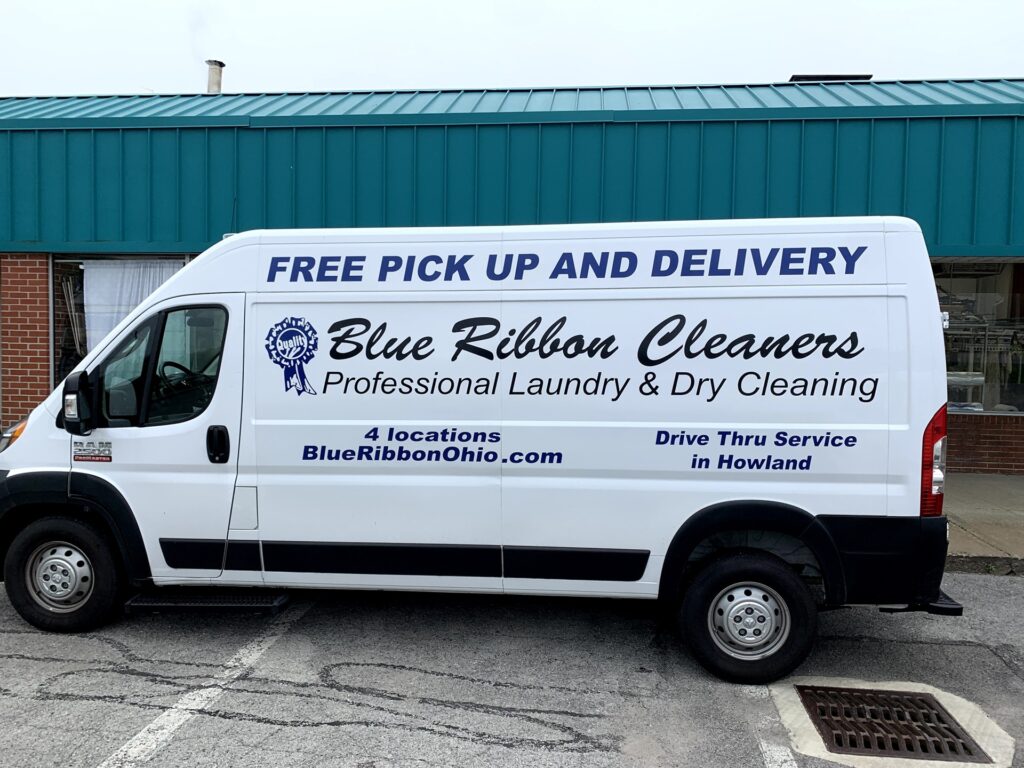
Blue Ribbon Cleaners in Warren County offers free dress intake consultations. You can schedule in under five minutes, and we'll take care of the rest. That's it. It's not another project. It's one phone call.
If you've scheduled your appointment but it's a few days out, how you store the dress in the meantime matters. A few quick rules:
You don't need a lengthy checklist. Just three actions, all of which you can do today.
That's the whole plan. Three steps, all doable this week, and one of them is just letting professionals take the wheel. Your dress deserves to be kept exactly as it was on the day you wore it, and the window to make that happen is shorter than most people realize.
A professionally preserved dress doesn't just survive. It stays wearable, displayable, and emotionally intact. Brides who preserved their dresses often describe the experience of opening the preservation box years later as genuinely moving, almost like seeing the day again. Dresses that weren't preserved, even those that looked fine in year one, typically show significant yellowing, fabric brittleness, and set-in staining by year five or ten. The difference is remarkable and almost entirely tied to whether or not the dress was treated in those first critical weeks.
At Blue Ribbon Cleaners, our wedding dress cleaning and preservation specialists handle every dress with the same care it deserves, from delicate lace and fine beading to intricate embellishments that need a precise, experienced touch. We've been trusted by brides across Youngstown and Warren, Ohio to clean, restore, and seal their dresses so they stay exactly as beautiful as the day they were worn.
Stop by, give us a call, or request FREE Pickup and Delivery Service. We'll be at your door on the next route. You don't even have to leave the house to get your dress into the right hands.
Contact Us:
🚗 Free Pickup and Delivery Service Available – Request Your Stop on the Next Route